
From Peaks to Tidepools: Eating the Seasons

Welcome to a journey through Mountain-to-Sea Cuisine: Seasonal Recipes and Local Ingredients, where alpine herbs meet briny tides and every plate honors time and place. We’ll follow snowmelt to fiddleheads, tides to oysters, orchards to late-summer stone fruit, and backcountry paths to wild mushrooms. Expect practical tips, stories from growers and fishers, and flexible techniques for real kitchens. Cook along, share your swaps, and subscribe for weekly menus that celebrate regional abundance without waste or pretense.

Reading the Landscape Calendar

Think beyond months; notice clues like snowmelt trickling through scree, spruce tips softening, and sea birds circling bait balls. These signals predict arrivals better than printed charts. Dungeness may run early; chanterelles might wait for one soaking storm. Keep notes, compare years, and treat the land’s breath as your conductor. Over time, you’ll shop with quiet confidence, anticipating flavors the way musicians hear changes coming in a favorite, well-worn melody.

Talking with Farmers and Fishers

Relationships reveal more than labels. Ask what row tasted sweetest today, or which net came up cleanest at dawn. You’ll learn why a bruised-looking apple bakes like a dream, or how last night’s wind pushed schooling fish deeper. People love sharing the story behind their work. Listen, then cook that story. Comment with your own conversations and unexpected finds; our kitchen thrives on the honest, salty, soil-under-nails wisdom that never fits onto price tags or chalkboard signs.

Building a Flexible Pantry

Seasonal cooking shines with adaptable anchors. Stock grains that welcome both kelp and mountain herbs, vinegars to lift sweetness, sturdy beans, sea salt, and good oil. Keep a jar of pickled something for brightness, and dried mushrooms for rainy days. With these at hand, a surprise catch or a neighbor’s extra zucchini becomes supper. Share your best pantry staples in the comments, including the one quirky condiment you guard like treasure. Someone else’s weeknight might be saved by your clever little jar.

Alpine Herbs, Coastal Brine

Flavor bridges make this cooking unforgettable: resinous spruce tips meet mineral-rich oysters, tart mountain berries chase smoky bluefish, thyme from a sunny slope nestles beside briny clams. Think structure, not novelty. Salt and acidity determine balance while texture keeps conversation going. A single branch of juniper can echo a shoreline’s austerity, while buttery pasture cheese softens ocean edges. We’ll experiment with small tastings, building trust between ingredients. Begin with curiosity, let restraint guide your hand, and remember every pairing needs a little breathing room.

Forager’s Story: Spring on the Ridge

Maria still laughs about the morning she mistook glistening dew for sap. That same day, she found tender spruce tips, bright as limes, and traded a paper bag of them for smoked trout at the truck below. We paired the needles with cultured butter, rye toast, and the fish’s clean, decisive smoke. The ridge taught us patience, the barter taught us generosity, and the plate taught us that brightness can come quietly, like green light seeping through early fog.

Fishmonger’s Whisper: Dawn at the Docks

At 5 a.m., Eli flicks melted ice from his palms and judges the catch by smell, never just shine. He explains how tides carry plankton that fatten mussels, and why last night’s moon favors line-caught mackerel over netted. I taste brine on the air and imagine pairing those tight-fleshed fillets with crushed juniper and a squeeze of foraged huckleberries. Dawn decisions like his shape dinner honestly. Respect the source, honor the hour, and cook what the water offered without forcing your will.

Balancing Salt, Acid, Fat, Heat Across Terrains

Coastal ingredients often arrive pre-seasoned by nature’s salt; mountain produce brings concentrated oils, resins, and bitters. Use citrus or wild sorrel for lift, cultured dairy for cushioning, and controlled heat to keep everything articulate. Frying tastes different at elevation; steaming begs for seawater or kelp. Take notes on how small adjustments alter outcomes. Share your calibrated ratios in the comments so we can compare palates and microclimates, learning how each kitchen translates the same chorus into a personal, memorable song.

Recipes That Travel from Ridge to Reef

Cedar, Smoke, and River Trout

Soak a cedar plank; pat trout dry; brush with oil, salt, and cracked pepper. While smoke rises, pound nettles with toasted nuts, hard cheese, and bright vinegar. The fish’s tender flesh likes restraint, so finish with a mild squeeze of lemon. No trout? Try bluefish or char; keep the smoke gentle. Tell us your wood choices, from apple to alder, and how your backyard altitude changed timing. The best version is the one that respects your fire.

Pasture Lamb Meets Kelp

Slow-roast lamb with garlic until the kitchen smells like comfort. Meanwhile, blitz blanched kelp with parsley, chili, and cider vinegar for a briny, emerald sauce. The oceanic bite cuts the meat’s richness, letting herbs ring clear. If lamb is scarce, roasted mushrooms deliver similar depth; if kelp is unavailable, use capers and a whisper of smoked salt. Plate with bitter greens and soft polenta. Post photos and notes about your swaps so others can follow brave, thrifty paths to delicious balance.

Chowder After the Rain

Build a base of onions, celery, bay, and diced potatoes, then fold in clams or white fish. On stormy days, sauté chanterelles first, letting them gloss the pot with woodland perfume. A bit of cream is welcome, but consider cultured buttermilk for tang and lightness. Finish with chives, cracked pepper, and a final check on salinity. Serve with thick bread. If shellfish are closed by advisory, go corn and smoked paprika. Leave your weather notes; soup loves honest, local forecasts.

Techniques for Respectful Cooking

Heat Management Across Proteins and Greens

Think of heat as a tide: advancing, pausing, retreating. Start cool for fish so albumin stays calm, surge hot for mushrooms to drive off water, and warm gently for foraged greens so their perfume remains intact. Use carryover cooking to your advantage, especially at elevation where boiling points shift. A thermometer helps, but so do eyes and fingertips. Share your pan and oven habits, including quirky burners or camp stoves, so others can translate timing without fear or waste.

Knife Work for Wild and Farmed Produce

Sharp knives protect delicate textures. Slice trout on the bias to keep flakes whole, shave fennel thin to sweeten its bite, and score kelp lightly for ribbons that carry sauce. Mountain roots want steadiness and square cuts; coastal herbs prefer feathery confidence. Keep a small towel nearby, breathe between tasks, and practice on onions until your hands move kindly. Post your favorite honing routine or affordable stones; collective maintenance advice keeps blades singing, fingers safe, and prep beautifully meditative.

Broths, Stocks, and Seashell Infusions
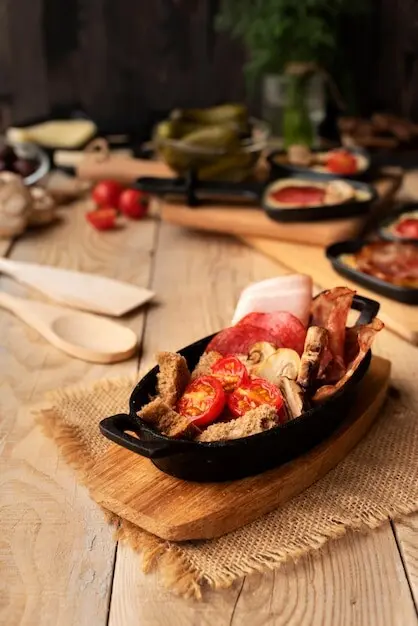
Save shrimp shells, fish frames, roasted bones, and carrot tops. Simmer gently with peppercorns, bay, and scraps of kelp, skimming only when needed. You’re after clarity of purpose, not sterile perfection. Freeze in small jars for risottos, chowders, and quick sauces that taste anchored to real places. If shells are unavailable, lean on dried mushrooms, toasted nori, and charred onions. Tell us your freezer tricks and favorite labels; an organized cold shelf transforms random market luck into weeknight ease.

Choosing Better: Labels That Actually Matter

Not every sticker deserves attention. Look for certifications that audit practices, not just fees, and listen to your market’s quiet experts. Wild isn’t always better; farmed isn’t always worse. Ask about feed, water quality, and distance traveled. Prefer transparency over polish. If a seller explains failures as openly as successes, trust deepens. Add your regional badges or red lists in the comments, especially resources with clear, plain language. We learn faster when gatekeeping gives way to open, verifiable conversation.

Waste Less: Nose-to-Tail, Root-to-Leaf, Gill-to-Fin

Turn beet greens into garlicky sides, render fish skins into crisp snacks, and braise lamb necks until spoon-tender. Herb stems perfume broths; citrus peels brighten salts; stale bread anchors chowder. Compost what truly can’t be used, but first ask whether pickling, drying, or confiting could buy more time. Post your best save, like kelp stems reborn as chewy salad ribbons or carrot tops blitzed into pesto. Frugality here feels generous, giving flavor back to the week with almost no expense.

Community Spotlight: The Wednesday Harbor Share

Every Wednesday, a dozen families meet beside the ferry ramp to swap extra portions. Someone brings chowder, another packs rye loaves, and a forager offers tiny jars of spruce salt. There’s a rule: label clearly, share stories, and take only what you’ll use. The harbor smells like kelp and cinnamon. Try a version on your block, then report back. These rituals stitch neighborhoods together, stretch budgets kindly, and keep abundance flowing where it’s needed most, plate to plate, week by week.

Gather, Share, and Celebrate

Meals taste better with company, whether under string lights or a pine canopy near the surf. Imagine a long table holding smoked fish, grilled roots, blistered beans, and a wild-berry tart. Pair sparkling spring water with cider, let laughter carry between stories of tide and trail, and pass plates like small boats. Host a cook-along here: post your menu, photos, and lessons learned. Subscribe for seasonal checklists, and invite friends who love honest food that remembers where it came from.
Livotelilorizavopexivaroravo
Privacy Overview

This website uses cookies so that we can provide you with the best user experience possible. Cookie information is stored in your browser and performs functions such as recognising you when you return to our website and helping our team to understand which sections of the website you find most interesting and useful.